
Kubernetes isn’t the hardest part of modern cloud environments – Architecture Is
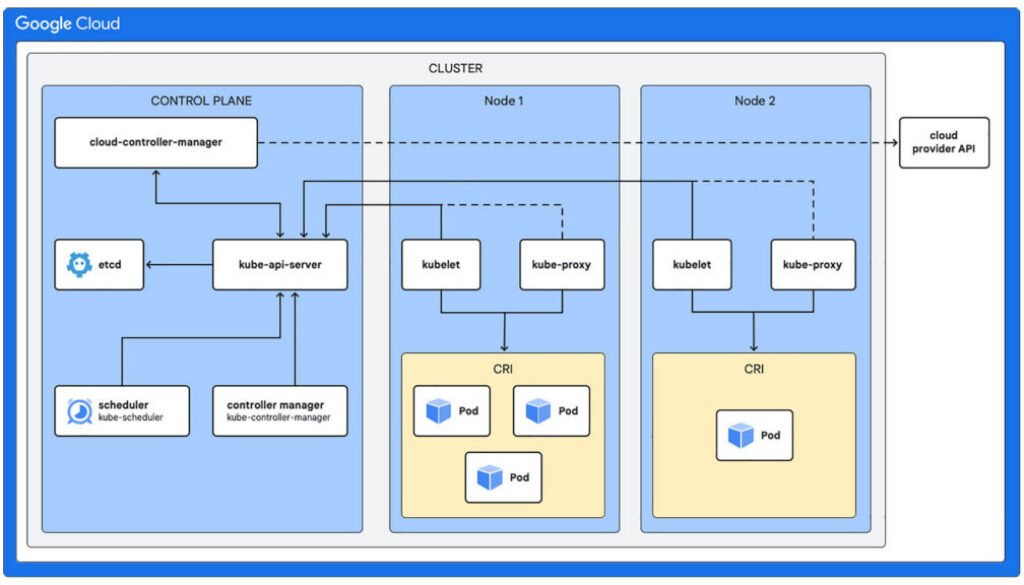
Kubernetes has become the standard for modern cloud orchestration, but deploying a cluster is only the beginning. The real challenge is building an architecture that can operate reliably under pressure, scale efficiently, and support long-term mission requirements.
Many teams successfully deploy Kubernetes environments only to struggle later with networking, storage integration, CI/CD workflows, and security enforcement. In high-demand federal environments, these issues quickly become operational bottlenecks that impact performance, consistency, and reliability.
The difference between a functional Kubernetes deployment and an operationally sustainable one comes down to architecture. Strong architecture ensures:
- Applications scale reliably
- Infrastructure remains automated and repeatable
- Security controls are integrated from the start
- Deployments remain stable under operational stress
Poor architectural decisions often lead to fragile deployments, inconsistent environments, and increased management overhead. Over time, these issues reduce agility and make modernization efforts more difficult to sustain.
In federal programs, where compliance, uptime, and operational continuity are critical, architecture decisions carry long-term consequences. Kubernetes environments must align with DevSecOps principles early in the design process to ensure systems remain secure, scalable, and maintainable over time.
At LionBridge Partners, we focus on building Kubernetes environments that are not just functional—but operationally sustainable. Our approach combines automation, security, and disciplined infrastructure design to support mission-ready cloud operations in complex environments.